
Advisory Note 03 · September 24, 2026
What a CAPS home safety assessment actually covers
By Vashon Hargrove, Principal, Senior Home Solutions
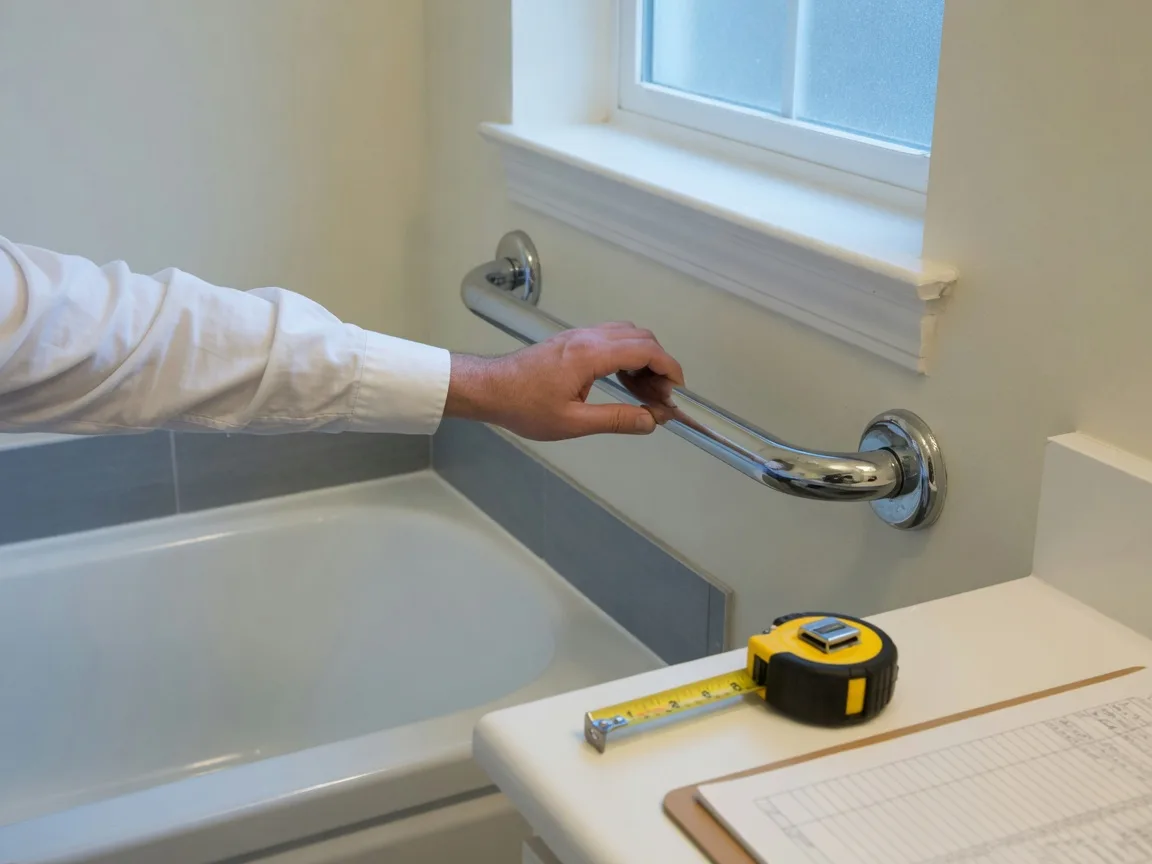
A CAPS home safety assessment is a clinical audit of the home against your loved one's care plan, conducted by a Certified Aging-in-Place Specialist. It is not a shopping list of grab bars. It answers one question: can this house safely support your loved one's needs, today and as those needs change?
What the assessment examines
The assessment starts at the front door and works through your loved one's actual daily path: the route from bed to bathroom, the stairs, the kitchen, the medication area, and the exits. Falls risk is the first concern, because falls are the event that turns a manageable stay into a hospitalization. Each room is evaluated for the specific hazards that produce falls: uneven thresholds, missing handrails, poor lighting, clutter paths, and bathroom surfaces that turn slick when wet.
The bathroom receives particular attention, since it is the most hazardous room in most homes and the one families most often underestimate. An older adult who can manage a full day may still struggle with a transfer in and out of a tub. The assessment documents the transfer, the clearance, and the reinforcement points for grab bars, and it checks that the reinforcement exists behind the wall, not just on the surface.
Beyond falls, the assessment covers the care plan's other failure points: medication management and storage, emergency access for responders, wandering risk and door security in memory care situations, and the feasibility of delivering care in the home, including space for a caregiver and the logistics of a bed or lift. Under the SHSS lens, Senior Home Safety Specialist method, the same visit produces a prioritized intervention list rather than a flat catalog.
What comes out of it
The deliverable is a written plan: each intervention, its purpose, its priority, and its cost, with the licensed work separated from the simple fixes. Structural modifications, grab bar reinforcement, stairlifts, and bathroom retrofits are performed under the Maryland Home Improvement Commission contractor license, MHIC #155639, so the work is warranted and documented for the family, the physician, and the attorney.
The point of the assessment is not to make the home perfect. It is to make the stay a clinical decision: the family knows what the home requires, what it costs, and whether the cost is justified against the alternative. That is the difference between hoping a parent is safe and knowing they are.
A home is safe for an older adult when the assessment says so, not when the family hopes so.
Next step