
Advisory Note 02 · October 1, 2026
How discharge planners clear a social discharge blockage
By Vashon Hargrove, Principal, Senior Home Solutions
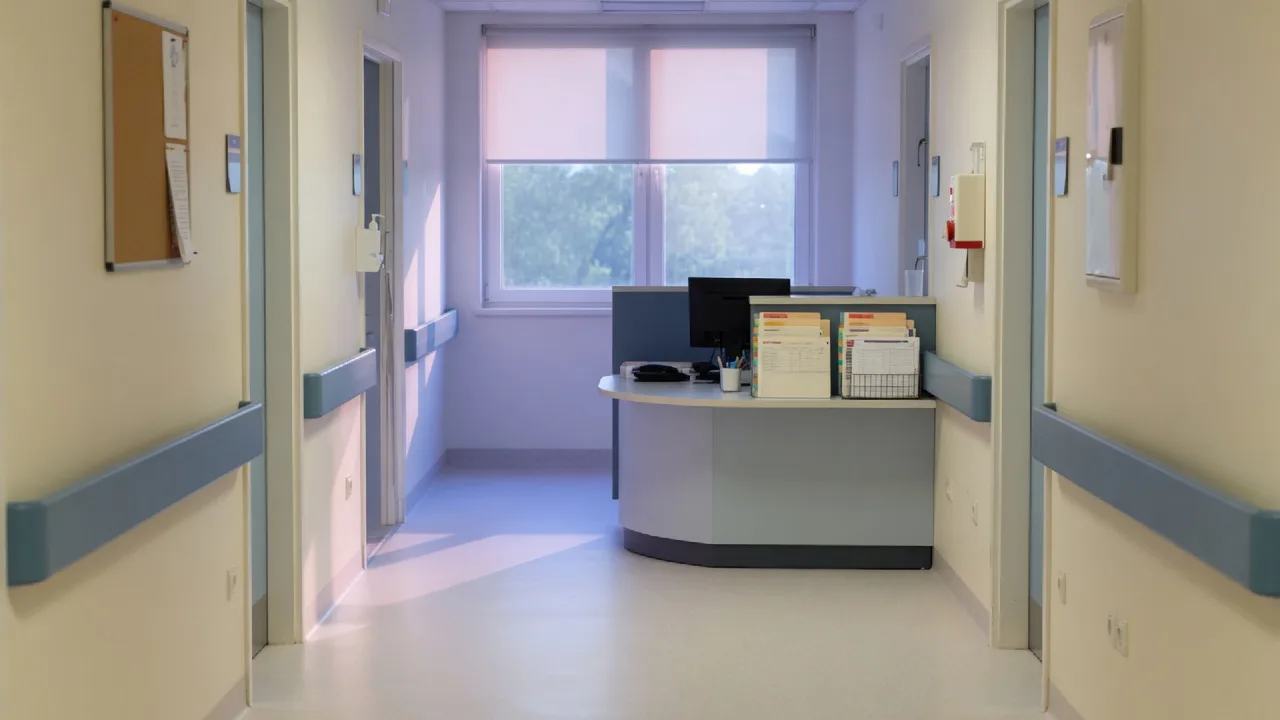
A social discharge blockage is what happens when a patient is medically ready to leave but has no safe place to go. The discharge planner has done the clinical work; the obstruction is structural, and it sits outside the hospital's control. This note is about the most common version of that problem and how a transition partner resolves it.
The asset-rich, cash-poor family
The recurring profile is a family with substantial home equity and very little liquid cash. The older adult owns a paid-off home worth real money, retirement income that cannot cover private care, and no obvious source of bridge funding for the weeks between discharge and a settled plan. The hospital cannot unlock the equity; the family cannot write a check; and the bed stays full.
The planner's tools, home health referrals and community lists, do not reach this problem, because the problem is not a missing provider, it is a missing financial and structural bridge. That is precisely the gap an advisory practice is built to close.
What the bridge looks like
A transition partner clears the blockage by building three things at once. The first is a safe clinical destination: complex private-duty care coordinated through a clinical partner such as Liberty Advanced Nursing, so a high-acuity older adult can return to the community rather than remain hospitalized. The second is a safe physical destination: the home assessed and, where needed, modified under a licensed contractor, so the discharge plan is not a hope about a stairlift but a dated completion of one.
The third is a funding path: the family home treated as the asset it is, with an estate real estate strategy that mobilizes equity on the transition's timeline. One accountable coordinator holds all three, which is what lets a discharge planner write a discharge date and trust it.
What to ask for when you refer
A referral does not need to be complete. It needs a discharge date or a target, the older adult's care needs, and a family contact. The partner does the rest and returns a written transition plan for the file. For an active discharge, same-day triage is the standard, because the blockage is measured in occupied bed-days.
The discharge is not complete when the patient leaves the hospital. It is complete when the patient is safe somewhere, and that is a transition problem, not a clinical one.
Next step