
Path 02 · Assisted Living
Assisted living
Assisted living communities are screened for level of care, staffing, and acuity tolerance against your loved one's assessed needs, never against referral fees. The search runs across Maryland, Virginia, and DC, and it is free to the family.
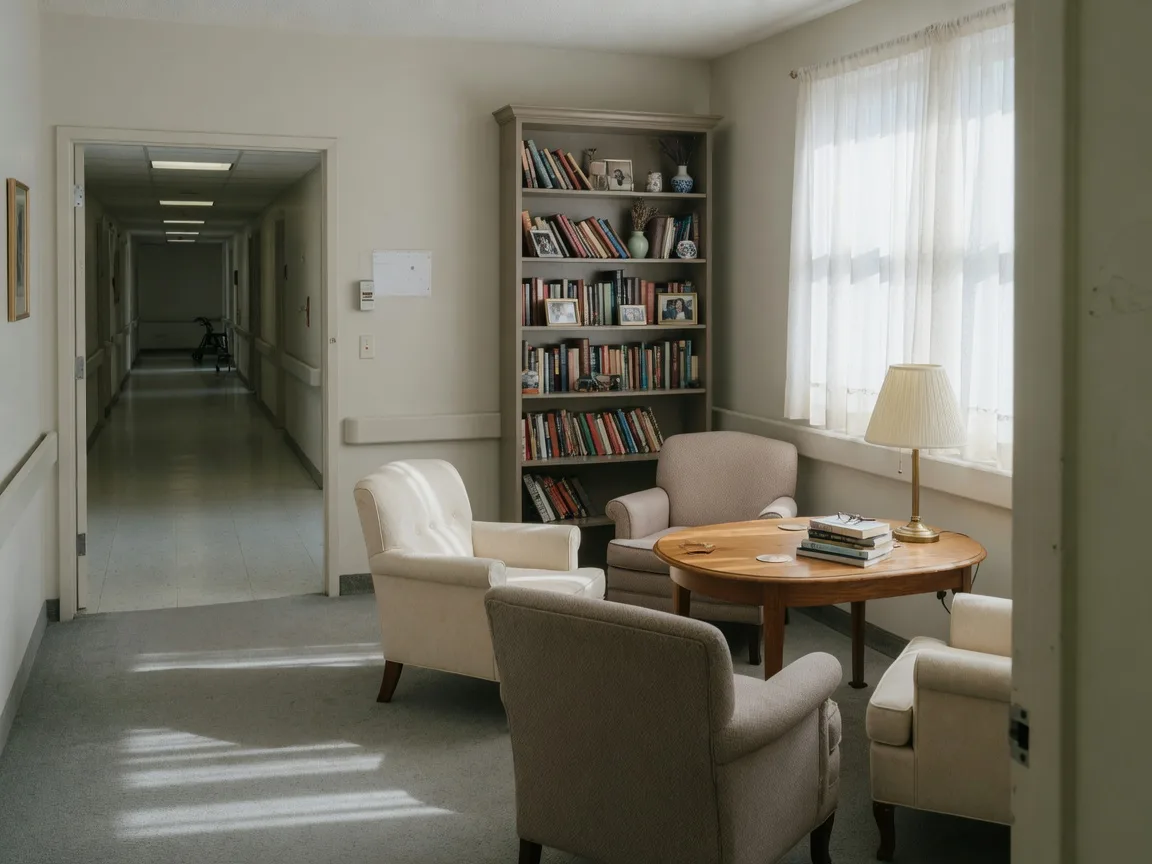
What Assisted Living Is
Assisted living is a residential community for people who need help with daily activities: bathing, dressing, meals, medication, and mobility. Residents live in their own apartment, with care available around the clock and meals, housekeeping, and social life provided by the community.
It is the right setting when staying home is no longer safe or sustainable, but the person does not need the full medical supervision of a nursing facility. The key is matching the community to the level of care actually needed, which is exactly what the assessment does before the search begins.
How We Screen Communities
Screened against the care plan, not against a fee
Level of care
Can the community actually deliver the care your loved one needs today, and tomorrow? Acuity tolerance is verified, not assumed.
Staffing
Staff-to-resident ratios, nurse coverage, training, and turnover are reviewed the way a professional would review them.
Fee transparency
The fee structure is disclosed in writing before any community is introduced. The community pays; the family never does.
Cost Context
What assisted living typically costs in Maryland, Virginia, and DC
Monthly costs vary by community, location, and level of care, and they change over time. As a general reference, recent industry surveys put median assisted living costs around $6,900 a month in Maryland, around $5,200 to $5,500 in Virginia, and roughly $6,500 to $8,000 in Washington, DC.
The comparison guide lays out these ranges, what they include, and the questions that reveal the real price of a community.
Who This Fits
Assisted living fits when your loved one needs daily help but does not need a nursing facility, and when the family can no longer safely provide that help at home.
- Needs help with bathing, dressing, meals, or medication
- Is safe in a community but not alone at home
- Wants meals, housekeeping, and company provided
- The family is exhausted or at risk of burnout
Is assisted living the right setting?
The assessment answers that question with evidence, and placement is free to the family. Start with the needs assessment, or talk to us directly.